


This website uses cookies so that we can provide you with the best user experience possible. Cookie information is stored in your browser and performs functions such as recognising you when you return to our website and helping our team to understand which sections of the website you find most interesting and useful.
Exploring the Evolution of Gambling Through the Ages
Exploring the Evolution of Gambling Through the Ages
The Ancient Origins of Gambling
Gambling has deep roots tracing back to ancient civilizations, where it was intertwined with cultural practices and religious beliefs. The earliest evidence of gambling dates to around 3000 BC in ancient China, where people used rudimentary dice made from animal bones. These primitive games were more than mere entertainment; they played a significant role in socializing and forming community ties, showing that gambling was not just a pastime but also a means to bond and express luck or fate. As seen today at http://21casinobonus.com, the thrill of gambling continues to attract new enthusiasts.
In ancient Rome, gambling was further developed as a social activity, with various games of chance gaining popularity among citizens. Romans utilized a range of tools for gambling, such as dice and betting on gladiatorial games. This culture of gambling was so prevalent that it even spurred legal debates around its regulation, establishing the foundation for future gambling laws. The Romans’ embrace of gambling highlighted its entertainment value and foreshadowed the growth of organized betting across Europe.
The earliest gambling devices like the 6-sided die and rudimentary playing cards can be traced to these ancient societies. Notably, the introduction of games like keno in China, which utilized a lottery system, showcased the evolution of gambling from simple games of chance to more structured forms of betting. This transition set the stage for the future of gambling as societies began to explore the psychological aspects of risk and reward.
The Middle Ages and the Rise of Gaming Houses
The Middle Ages saw a significant transformation in gambling practices, with the establishment of gaming houses becoming a hallmark of this era. As societal structures evolved, so did gambling, with these venues offering a variety of games that appealed to a growing middle class. These establishments not only provided a place for entertainment but also served as social hubs where people could engage in discussions, enhancing their communal ties.
During this time, card games gained popularity across Europe, leading to the creation of various regional games. The introduction of the playing card deck from the Middle East brought about innovations in gaming, which eventually led to the development of games like poker and blackjack. The allure of these games attracted a diverse crowd, which ultimately pushed gambling into the mainstream, making it a vital part of social life across continents.
However, the popularity of gambling during the Middle Ages also prompted societal concerns. Legal and religious authorities began to view gambling as a vice, leading to various attempts to regulate and restrict it. This tension between enjoyment and morality set the stage for ongoing debates about gambling’s place within society, laying the groundwork for future legislative actions and reforms that would reshape the landscape of gambling.
The Enlightenment and the Formalization of Gambling
The Enlightenment period marked a significant turning point in the evolution of gambling. During this era, a surge in intellectual thought and exploration of human behavior led to a more systematic understanding of risk and probability. This newfound knowledge gave rise to more sophisticated gambling games, as well as betting strategies that appealed to the growing number of educated individuals. Games like roulette and modern poker began to take form, reflecting both skill and chance.
The establishment of formal casinos during the 18th century was pivotal in the evolution of gambling. Cities like Venice and Paris became hotspots for these luxurious establishments, attracting high society and creating a sense of exclusivity. These casinos offered an environment where the rich could indulge in games of chance while enjoying opulent surroundings. This period signified the commercial aspect of gambling as it transitioned into a regulated industry.
Moreover, the Enlightenment led to the development of gambling laws that aimed to protect players while ensuring fair play. The introduction of regulations encouraged responsible gambling, shaping a landscape where the potential for profit was balanced with the risks involved. This evolution illustrated a shift towards a more structured gambling environment, which would continue to develop in the following centuries as societal attitudes toward gambling began to evolve further.
The 20th Century and the Boom of Modern Gambling
The 20th century marked a significant explosion in gambling, influenced largely by technological advancements and changing societal norms. The introduction of slot machines and electronic gaming machines revolutionized the gambling experience. These innovations made gambling more accessible, appealing to a wider audience and contributing to the rapid growth of the casino industry. Las Vegas emerged as a symbol of this new era, attracting millions who sought entertainment and excitement.
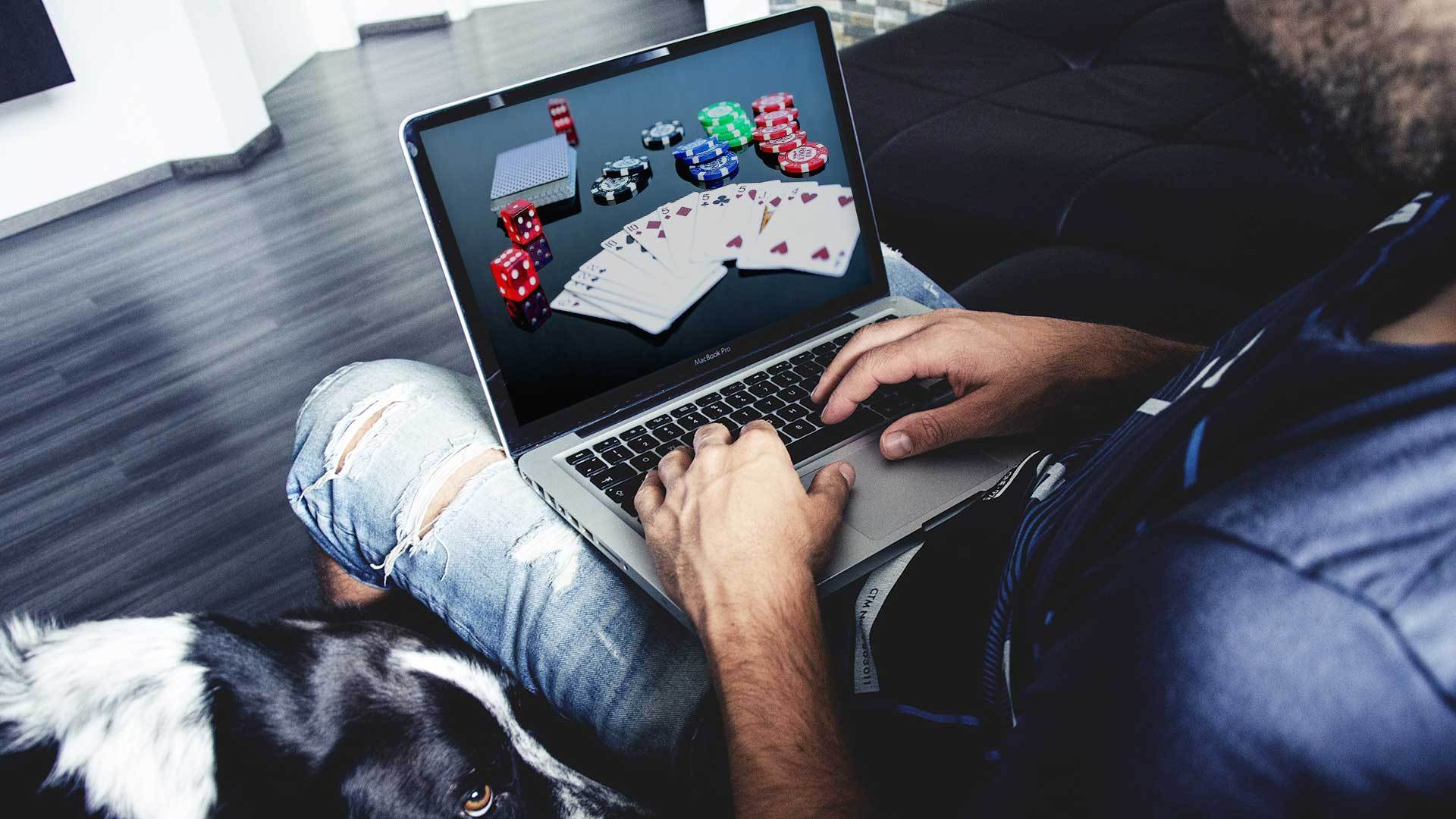
Additionally, the legalization of gambling in various states, particularly in the United States, led to a proliferation of casinos and betting establishments. This move not only boosted local economies but also brought gambling into the cultural mainstream, allowing people to view it as an acceptable form of leisure. The advent of online gambling towards the late 20th century further transformed the industry, enabling players to engage in games from the comfort of their homes.
As the century progressed, there was also a growing awareness of responsible gambling. Organizations emerged to promote safe gaming practices, providing resources for those who may struggle with gambling addiction. This acknowledgment of potential risks demonstrated an evolution in societal attitudes, recognizing the importance of player protection while still celebrating the entertainment value of gambling.

Modern Gambling and the Future Landscape
Today, the gambling industry has become a multi-billion dollar global enterprise, with online platforms offering diverse gaming experiences. Modern casinos and betting sites provide players with a vast selection of games, from classic options to innovative technologies like virtual reality gaming. This expansion showcases a continued interest in gambling as a form of entertainment, while also emphasizing the importance of player safety and responsible gaming practices.
Innovations in technology have also led to the rise of mobile gaming, allowing players to enjoy their favorite games on the go. As smartphones and tablets become ubiquitous, the convenience of online gambling has made it more appealing than ever. Moreover, cryptocurrency is beginning to play a significant role in the gambling landscape, offering players anonymity and security in their transactions.
The ongoing evolution of gambling reflects changes in societal norms, technological advancements, and the complexities of human behavior. As we look to the future, the industry continues to adapt, balancing innovation with responsibility. Gambling remains a fascinating intersection of culture, entertainment, and economics, promising an exciting future for players and businesses alike.
Recent Posts
- Understanding gambling addiction A journey towards recovery awareness
- The hidden motivations behind gambling behaviors
- Gambling through the ages a historical perspective on its evolution
- Book of Kings game Customisation Possibilities for United Kingdom Market
- Het Vooruitzicht van Online Gokken in Nederland met Pokobet Casino
- Rozpocznij grę w swoje najlepsze sloty i jackpoty w 22Bet Casino w Polsce
- Weshalb ein kundiger Spieler Midarion Casino seinen eigenen Freunden in Deutschland ans Herz legt: Eine private Geschichte
- First Access Content: Das Azurslot Casino bringt exklusive Slots nach Österreich
- Exciting Luck and All in Between at Stake Casino for Players in Canada
- Giochi d’azzardo da casino con soldi veri al Qbet Casino in Italia